
When Should You Change Rubber Tracks on Agricultural Machines?
.jpg)

When Should You Change Rubber Tracks on Agricultural Machines?
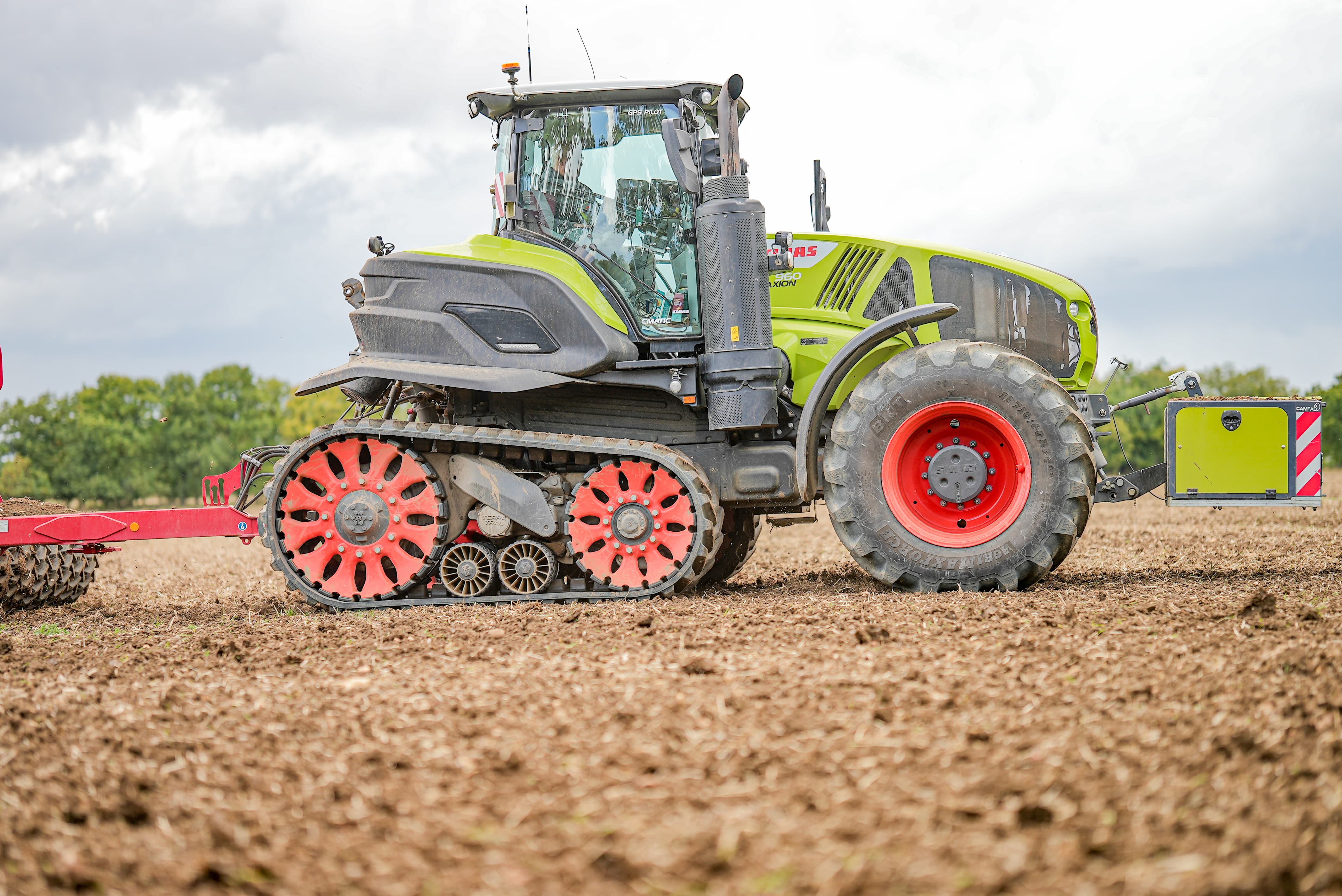
Rubber tracks are essential for many agricultural machines, including tracked tractors and combines. In farming, reliability is critical — especially during cultivation, drilling, and harvest season — so running worn tracks can lead to lost time, soil damage, and expensive downtime when you can least afford it.
Knowing when to replace agricultural rubber tracks helps maintain traction, protect your land, and keep your equipment working at full performance.
Below are the key signs it’s time to change your tracks.
1. Worn Tread and Loss of Grip in the Field
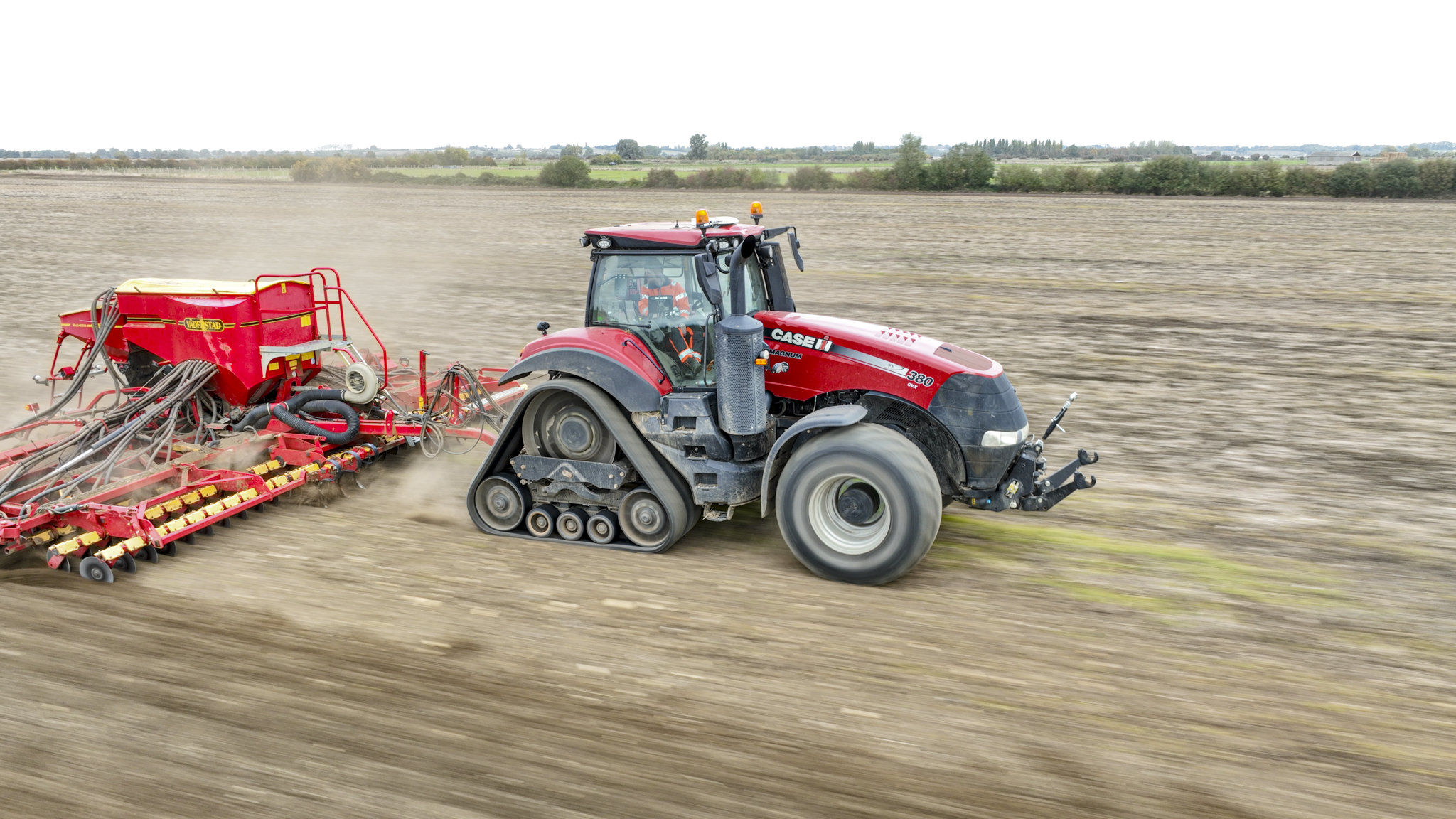
In agriculture, traction is everything. As rubber tracks wear down, the tread becomes shallow and loses its ability to grip in wet soil, clay, or loose ground.
Signs Of traction Loss
- Track slip
- Reduced pulling power
- Increased fuel use
Machines fitted with high-quality agricultural tracks are less likely to experience severe traction loss when maintained correctly.
2. Cracking From Age, Weather, and Field Conditions
Agricultural machines often sit outside for long periods, and exposure to stones in the field, sunlight, frost and chemicals can cause rubber tracks to crack over time.
Warning Signs of Rubber Track Cracking to Look for
- Small cracks along the tread or sidewalls
- Splitting between tread blocks
- Pieces of rubber breaking away
Even if the tread still looks usable, cracked rubber can fail under heavy load during busy periods like harvest. Farmers using agricultural track conversion systems may notice cracking earlier due to increased torque and weight distribution.
3. Visible Steel Cords or Bulging Tracks
Most rubber tracks contain internal steel cables for strength, and all of Outland Track’s replacement tracks are fully vulcanised.
However, if any wires become exposed or damaged, the track is close to failure.
Internal Rubber Track Failure Warning signs include
- Metal showing through the rubber
- Bulging or uneven sections
- Tracks stretching or losing shape
At this stage, replacement is strongly recommended before the machine is put under heavy field work. This is particularly important for operators running Cat Challenger replacement tracks on older machines.
4. Tracks Coming Loose or De-tracking
If your track keeps coming off, it may be worn rather than incorrectly tensioned.
This is common on agricultural machines that work in mud or uneven ground, where worn tracks can no longer sit correctly on the rollers and sprockets.
Common Causes of De-tracking
- Track stretched beyond its limit
- Damaged guide lugs
- Old rubber losing stiffness
Large tractors fitted with large frame tractor track conversions may experience de-tracking if tracks are not replaced at the correct service interval.
5. Plan Ahead Before Peak Season
In agriculture, the worst time to change tracks is when the machine is needed every day. Many farmers wait until harvest or cultivation and drilling season, which can lead to delays if stock is limited.
Benefits of Planning Agricultural Track Replacement Early
- Avoid downtime during busy periods
- Lock in pricing before seasonal increases
- Make sure the correct size is available
- Spread the cost over time
Working with the Outland Tracks specialist team allows farmers to prepare early and secure the right track solution before peak demand.
Outland Tracks offers a simple way to prepare early:
Secure today’s pricing and guaranteed stock with a 10% deposit, and take delivery anytime within the next six months.
Perfect for managing cash flow while preparing for peak harvest demand.
6. Need Help Choosing the Right Agricultural Track?
Different farming machines require different track patterns and strengths. Choosing the right replacement agricultural tracks can improve traction, reduce soil damage, and extend working life.
The specialist team at Outland Tracks would be delighted to talk through your track requirements and make sure your machinery stays working when it matters most, keeping your farming on track.
Related posts

Replacement Tracks for John Deere 8RX
Get Ready For Cultivations

.jpg)