
Best Practices for Track Lifecycle Management
.jpg)
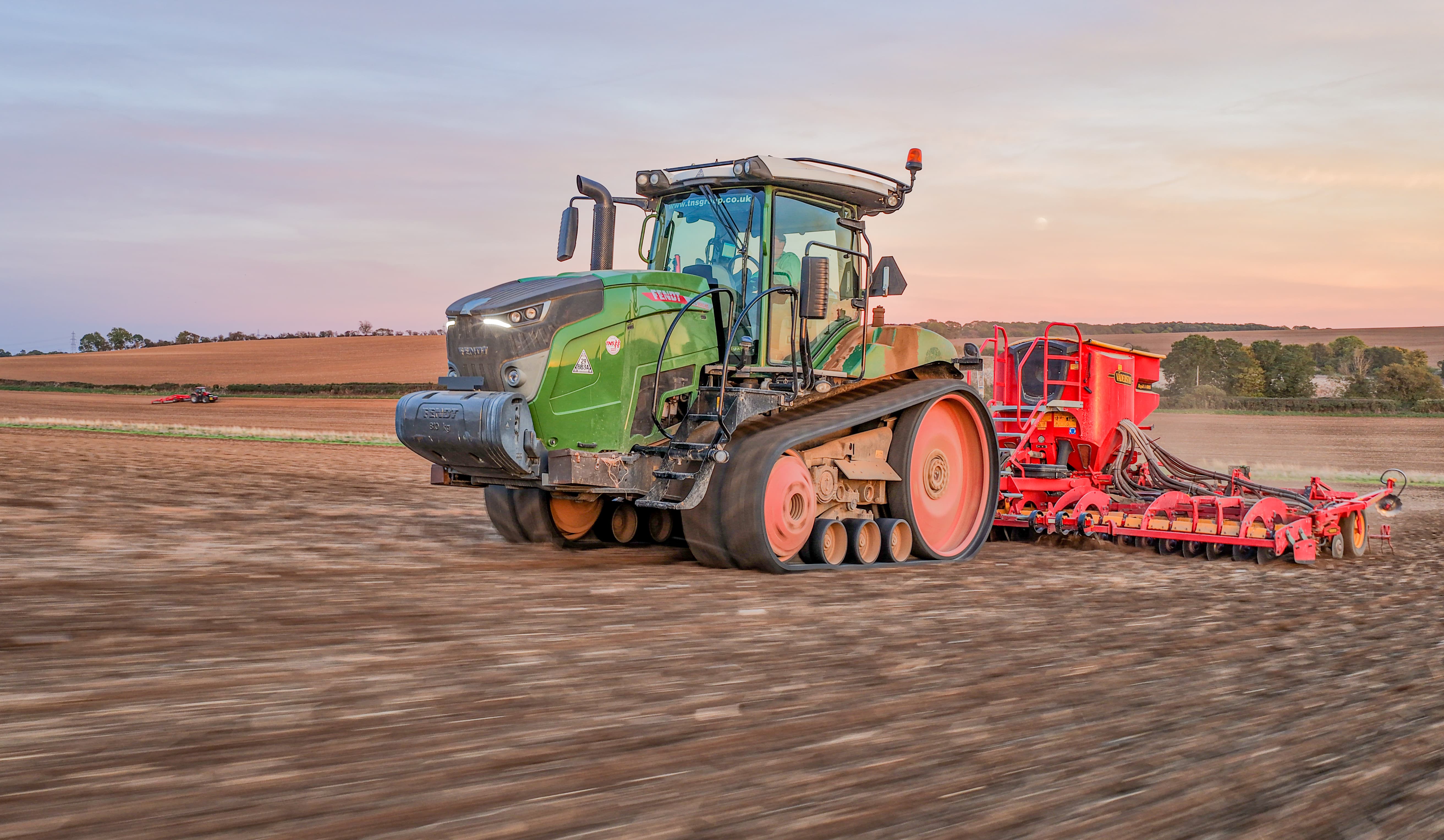

Best Practices for Track Lifecycle Management: Maximising the Performance of Harvester Tracks
Proper maintenance of Rubber Tracks is critical to maximising uptime, protecting your undercarriage, and avoiding premature track replacement.
Whether you're running tractors, harvesters or UTVs, proper lifecycle management of your Rubber Tracks directly impacts uptime, yield efficiency, and operating costs.
In this guide, we’ll break down:
- Inspection routines that prevent early failure
- Common wear patterns to watch for
- Predictive track replacement strategies
- How premium systems like Outland Tracks improve lifecycle value
Why Track Lifecycle Management Matters
Harvester tracks operate under extreme loads: torque, lateral stress, abrasive soils, stubble damage, and temperature shifts. Poor lifecycle management leads to:
- Premature track replacement
- Downtime during peak harvest windows
- Damage to undercarriage components
- Increased fuel consumption
A proactive approach extends track lifespan and reduces total cost per operating hour.
1. Track Inspection Routines
Routine inspection is the foundation of effective track lifecycle management.
Daily Visual Inspection (2 - 5Minutes)
Before operating:
- Inspect tread lugs for chunking or tearing
- Look for exposed steel cords
- Examine sidewalls for cuts or weather cracking
- Inspect drive lugs for rounding or shearing
- Check for debris packed into sprockets and idlers
This simple routine prevents minor damage from escalating into catastrophic failure. If excessive damage is discovered, schedule track replacement before peak operation.
Weekly Undercarriage Inspection
Weekly inspections should include:
- Measuring tread depth wear
- Checking sprocket tooth wear
- Inspecting idlers and rollers
- Verifying proper alignment
- Confirming even tension across both tracks
Improper alignment accelerates uneven wear and shortens harvester track lifespan significantly.
2. Understanding Track Wear Patterns
Recognizing wear patterns early helps determine whether your issue is operational, environmental, or mechanical.
Center Tread Wear
Possible Causes:
- Over-inflated tension
- Hard-packed surfaces
- Excessive road travel
Action: Adjust tension and limit unnecessary road movement.
Edge Wear
Possible Causes:
- Sidehill operation
- Misalignment
- Uneven load distribution
Action: Check alignment and inspect undercarriage geometry.
Lug Chunking or Tearing
Common in corn stubble or rocky fields.
Causes:
- Aggressive turning
- Sharp debris
- Excessive torque application
Premium systems like Outland Tracks are engineered with reinforced rubber compounds and optimized lug patterns to resist this kind of stress in demanding agricultural conditions.
Drive Lug Damage
If internal drive lugs are shearing:
- Tension may be incorrect
- Sprockets may be worn
- Load cycles may exceed design limits
Ignoring drive lug wear often results in emergency track replacement during peak harvest.
3. How to Optimise Rubber Track Tension
Incorrect tension is the #1 cause of premature track replacement.
Over-Tensioning
- Accelerates internal cord stress
- Increases bearing wear
- Reduces fuel efficiency
Under-Tensioning
- Risk of de-tracking
- Accelerated sprocket wear
- Increased vibration
Always follow manufacturer-recommended tension guidelines and recheck tension after heavy field use or temperature changes.
4. Predictive Replacement Strategies
The most expensive track replacement is the emergency one.
Instead of replacing tracks after failure, adopt predictive strategies:
Track Hour Monitoring
Track service life varies by:
- Soil conditions
- Load weight
- Turning frequency
- Field terrain
Establish expected service-hour benchmarks and monitor degradation against performance metrics.
Measure Wear Rate, Not Just Appearance
A track may "look fine" but be near structural failure.
Monitor:
- Lug height reduction percentage
- Internal cracking progression
- Drive lug deformation
- Tension retention consistency
When performance drops before visible failure, it’s often time for planned track replacement.
Replace Before Peak Season
Schedule track replacement before harvest begins — not during.
Benefits:
- Avoid downtime
- Secure parts availability
- Maintain productivity
- Reduce emergency service costs
5. Extending the Life of Outland Tracks
Premium systems like Outland Tracks are designed for durability in agricultural environments, but lifecycle still depends on maintenance.
To maximize lifespan:
- Avoid excessive road travel
- Reduce zero-radius turns under heavy load
- Clean debris daily
- Maintain correct tension
- Rotate machines to balance wear
Lifecycle management isn't just about product quality — it's about operational discipline.
6. When to Replace Rubber Tracks
Immediate track replacement is required if:
- Steel cords are exposed
- Drive lugs are sheared beyond 25%
- Tension cannot be maintained
- Track de-tracking occurs repeatedly
- Sidewall splits compromise structural integrity
Waiting beyond these indicators risks:
- Undercarriage damage
- Downtime
- Safety hazards
If you notice these signs, explore high-performance Rubber Tracks built for demanding field conditions.
Total Cost of Ownership: The Real Metric
The goal isn't just long track life - it's lowest cost per operating hour.
Proper lifecycle management of Rubber Tracks delivers:
- Reduced downtime
- Lower fuel consumption
- Longer undercarriage life
- Higher field productivity
Final Thoughts: Proactive Track Management Wins
In agricultural operations, timing is everything. A failed track during harvest can cost thousands per hour in lost productivity.
By implementing:
- Structured inspection routines
- Wear pattern monitoring
- Correct tension management
- Predictive replacement planning
If you’re planning a track replacement or want expert advice on maximizing the lifespan of your Harvester Tracks, speak with our team today.
Use our Track Replacement Form to get a fast, application-specific recommendation.
Related posts

Replacement Tracks for John Deere 8RX
Get Ready For Cultivations

.jpg)